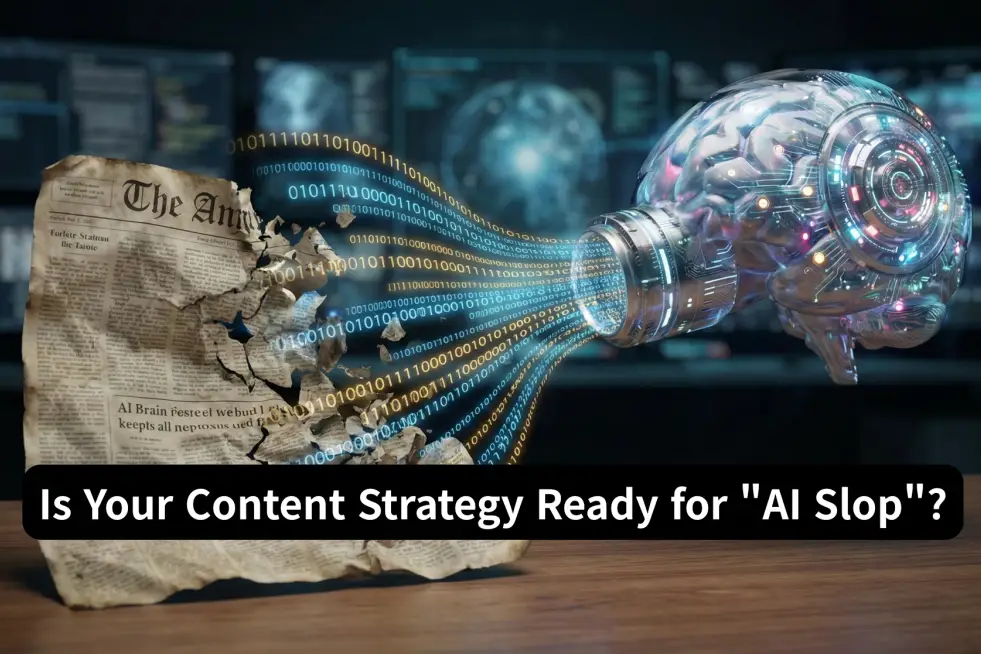
Is Your Content Strategy Ready for “AI Slop”? The Future of the Internet Economy
Hello! I’m Michael from WStorybook.
When you have a burning question these days, where do you turn first?
For years, Google or Naver were the undisputed gateways to information. Personally, however, I find myself bypassing traditional search engines and heading straight to AI platforms like ChatGPT or Perplexity.
From a user experience standpoint, it’s a revelation – getting a precise, synthesized answer without having to sift through a dozen blue links. But beneath this convenience, the very foundation of the internet economy as we know it is undergoing a seismic shift.
Today, I want to explore how AI is fundamentally disrupting the web’s ecosystem and share the critical investment insights we must consider during this transition.
✅ How AI Search is Dismantling Traditional Traffic
Historically, search engines acted as the internet’s traffic controllers. Google provided links, users visited those websites, and the resulting ad revenue or subscriptions funded the production of high-quality content. It was a functional, virtuous cycle.
AI has effectively broken this chain.
⚡ Recent data reveals that visibility for major news outlets has plummeted to devastating levels:
- The Mirror: Google visibility is down 80% compared to 2019.
- The Daily Mail: Has lost over 50% of its organic traffic.
- Financial Times (FT): Despite a loyal subscriber base, traffic has declined by 21%
*Note: Press Gazette (2025.07.31): Major UK publishers have seen Google search visibility ‘drop by up to 80%’ since 2019
This isn’t just a minor algorithm update; it’s a structural collapse.
Google’s AI Overviews and chatbots scrape information directly from source articles to provide instant answers, removing any incentive for the user to visit the original site.
✅ “AI Slop” and the Threat to the Information Ecosystem
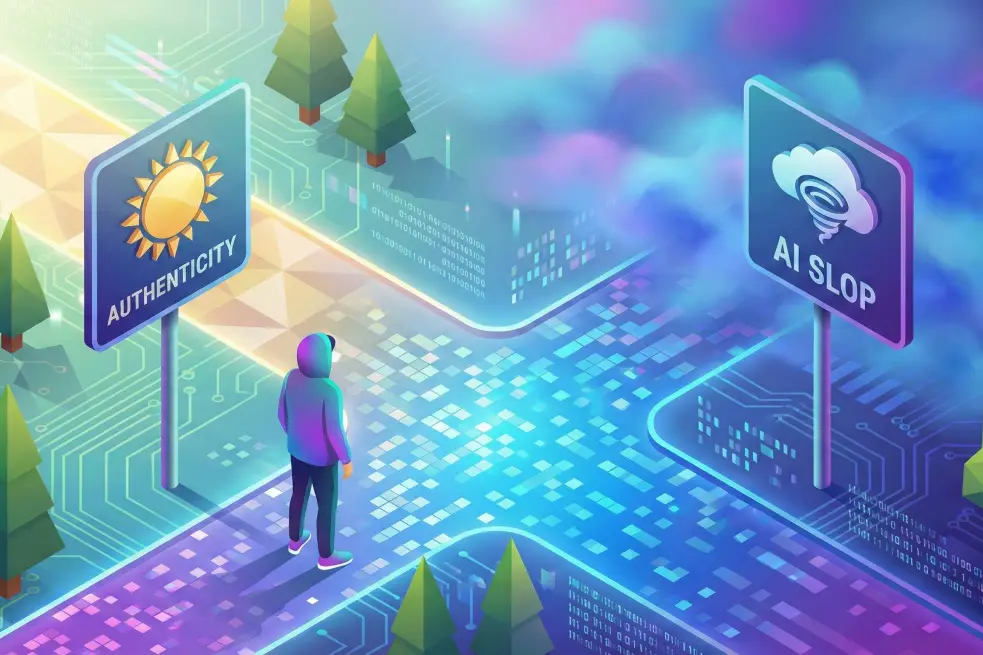
What happens when creators can no longer monetize their work? The incentive to produce original, high-quality information vanishes. This trend, often called “AI Slop,” eventually poisons the AI models themselves.
- The Erosion of Depth: Investigative reporting and data analysis are expensive. If the compensation system fails, this specialized content will disappear.
- Model Autophagy (Self-Cannibalization): AI thrives on high-quality human data. If human-generated content dries up, AI will be forced to learn from other AI outputs, leading to a “hallucination loop.”
- The Trust Crisis: As niche review sites lose profitability, the web risks being flooded with sophisticated “fake reviews” and AI-generated promotional filler.
✅ Critical Insights for Investors
This shift is more than a technological curiosity; it is a massive reallocation of capital. Investors should focus on three key pillars:
⚡ Platform Monopoly vs. Legal Responsibility
Big Tech is walking a tightrope between maintaining ad revenue and winning the AI race. Major legal battles (like the NYT vs. OpenAI) will redefine the cost structures of these platforms.
⚡ The Premium on Personal Branding
As generic information becomes a commodity, trust will shift from platforms to individuals. Experts with unique perspectives and companies with proprietary data that AI cannot replicate will see their value skyrocket.
⚡Authentication & Security
The market for technology that can distinguish human-created content from AI-generated “slop” is poised for explosive growth.
Insight
We must develop the discernment to question our information sources. If we become blinded by the convenience of AI and ignore the underlying economics, we risk making investment decisions based on hollow data.
✅ Future Action Recommendations for Readers
- Review Information Consumption Habits
: Rather than blindly trusting AI responses, cultivate the habit of always verifying primary sources when making important decisions. - Identify Valuable Assets
: Focus on assets that produce exclusive source data or possess strong fandoms (personal brands), rather than companies that merely distribute information. - Observe Technical Responses
: Consistently follow court rulings and licensing agreement news related to AI copyright disputes. This will shape the content economy landscape for the next decade.
The internet isn’t dying, but it is evolving into something unrecognizable. In this era of change, the greatest asset is the wisdom to recognize true value.