
The Shift in Oil Power: U.S., Russia, and Saudi Arabia’s Response Strategies Surrounding Venezuela
Today, I bring news that could reshape both the global energy market and the geopolitical landscape.
It concerns the Trump administration’s intervention in Venezuela and the resulting transformation of the oil market.
What kind of butterfly effect could this massive “energy war” have on our assets and future economic trends?
I won’t simply relay the headlines. Instead, I’ll dig deeper from an investor’s perspective to explore the structural shifts this event may trigger in our portfolios and the global economy.
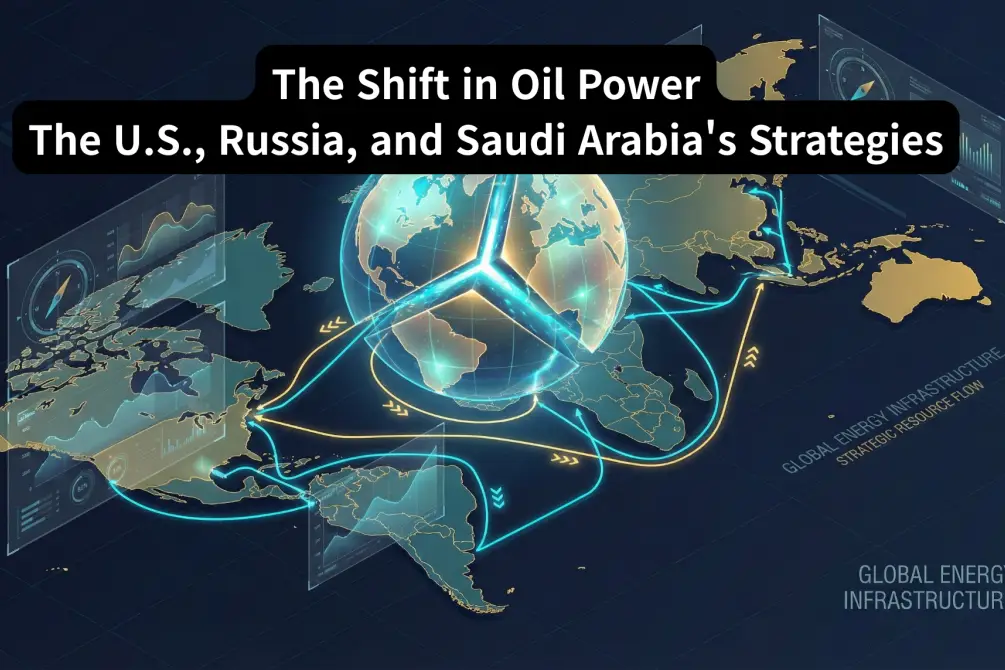
1. The Return of Venezuela, the Sleeping Oil Giant, and Trump’s Gamble
The reason the U.S. seeks influence over Venezuela’s oil is straightforward: Venezuela holds the largest proven oil reserves in the world. Behind this move lies President Trump’s political ambition.
Trump aims to unlock this potential to reorganize a U.S.-centered energy order and to secure an unprecedented political achievement that could boost his approval ratings.
Although Venezuela’s reserves exceed those of Saudi Arabia, years of infrastructure decay and political instability have reduced production to less than one-third of its capacity.
Trump’s strategy is simple yet powerful. He intends to mobilize massive U.S. oil capital such as ExxonMobil and Chevron to rebuild damaged facilities and flood global markets with Venezuelan crude.
[Comparison of Venezuela’s Oil Production Outlook]
| Category | Early 2000s | 2020s | Trump Plan |
| Daily Production | Approx. 3.5 million barrels | Less than 1 million barrels | ⚡ Rapid rise to 4 million+ |
| Primary Operator | Global oil majors | Venezuelan government | Return of U.S. oil firms |
| Infrastructure | Well maintained | Severely deteriorated | Billions in restoration |
2. Russia and Saudi Arabia Strike Back: “Our Survival Is at Stake”
How do the traditional energy powers view these U.S. moves?
For Russia and Saudi Arabia, this is not competition. It is a fight for survival.
✔ Russia: Protecting Its Geopolitical Foothold
Venezuela is a key strategic outpost for Russia to counter U.S. influence in the Western Hemisphere. Moscow is therefore highly likely to expand unofficial military and financial support under the pretext of protecting its assets.
Another critical factor: if oil prices fall to around $50 per barrel, Russia’s fiscal stability will be severely threatened.
For this reason, Russia is expected to use various means to heighten global tensions and keep oil prices above a critical threshold.
✔ Saudi Arabia: The Battle for Pricing Power
Saudi Arabia’s priority is to preserve its dominance in the crude market.
Do you know why oil prices remain relatively low as of January 2026?
Because OPEC+, led by Saudi Arabia, has been increasing production partly in coordination with the Trump administration.
But if the U.S. gains control of Venezuela and dramatically expands supply, Saudi Arabia will not remain passive.
Riyadh has two possible strategies:
- Strategy 1: Sharp production cuts → price surge
This could reignite U.S. inflation and weaken Trump ahead of the November midterm elections. - Strategy 2: Flood the market → price collapse
This would make Venezuelan redevelopment unprofitable for U.S. companies.
⚡ Either scenario is possible. However, Saudi Arabia needs long-term prices above $80–100 per barrel to balance its budget.
* Note: Saudi Arabia – Breakeven Fiscal Oil Price (2008-2025) Macrotrends
3. A New Energy Hegemony: The Dawn of an “Energy Cold War”
Energy power is shifting from a single-state monopoly to a triangular confrontation.
Investors should watch three axes:
- U.S. Western Hemisphere Block – shale + Venezuela self-sufficiency
- Russia–Saudi Producer Axis – defending pricing power
- China’s Strategy – securing cheap long-term energy
4. What This Means for Investors
Where should we focus in this massive battle? We just need to respond flexibly according to the international situation. Then we can generate excess returns compared to others.
[Promising Investment Sectors by Scenario]
✔ If Oil Prices Fall
- Logistics and Distribution Sector
: If the oil price decline scenario materializes, operating costs for trucks, ships, and aircraft will plummet, improving corporate profitability. ⚡ Focus on companies with a high proportion of long-distance logistics. - Beneficiaries of Lower Manufacturing Costs
: Margins could improve for chemical and plastic industries using petroleum as raw material. This is a strong positive for traditional manufacturers previously burdened by high energy costs. - Shift in Inflation Themes
: Lower energy prices could reduce overall inflation, increasing pressure for interest rate cuts. This creates a positive environment for tech and growth stocks.
✔ Oil Price Rise Scenario
- Oil and Resource Stocks
: Focus on oil and gas producers or related ETFs - Inflation-Related Stocks
: Rising energy prices drive overall inflation. Defensive stocks or commodity-related stocks gain an advantage.
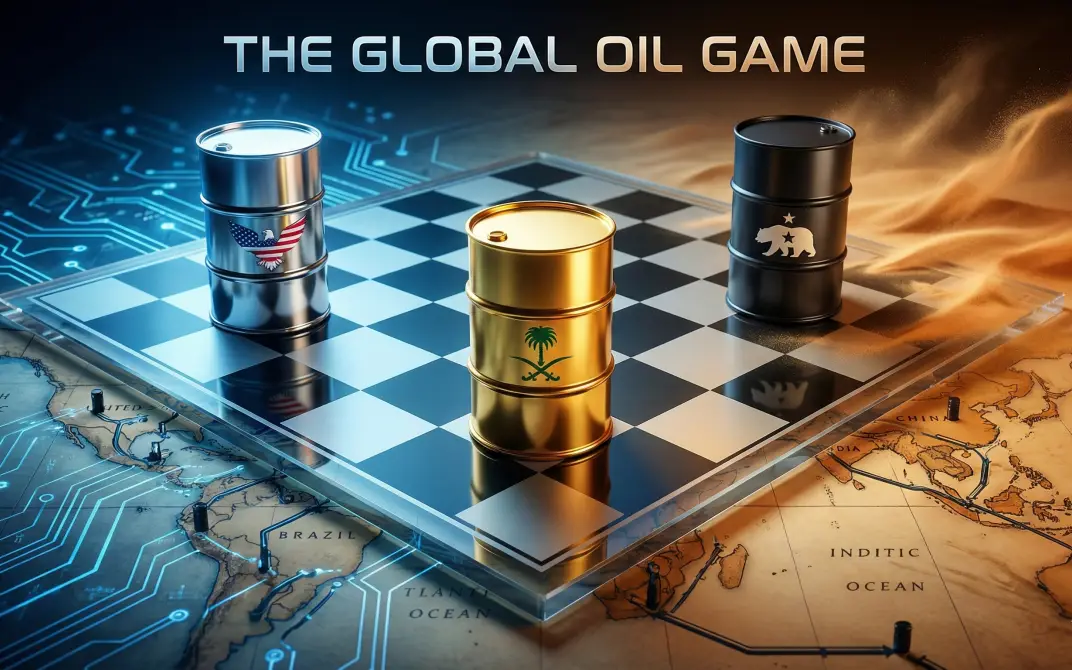
INSIGHT
The 2026 Venezuela crisis is not just regime politics. It is an event that could redraw the global map of wealth.
Oil now moves less by economics and more by pure political logic.
Historically, those who controlled energy controlled the world.
Review your portfolio’s energy exposure today. Prepare flexible strategies in advance and become the investor who turns crisis into opportunity.
I’ll continue to help you achieve excess returns. This is Michael from WStorybook.
Thank you for reading.
Below is a list of recommended articles to read alongside this one.